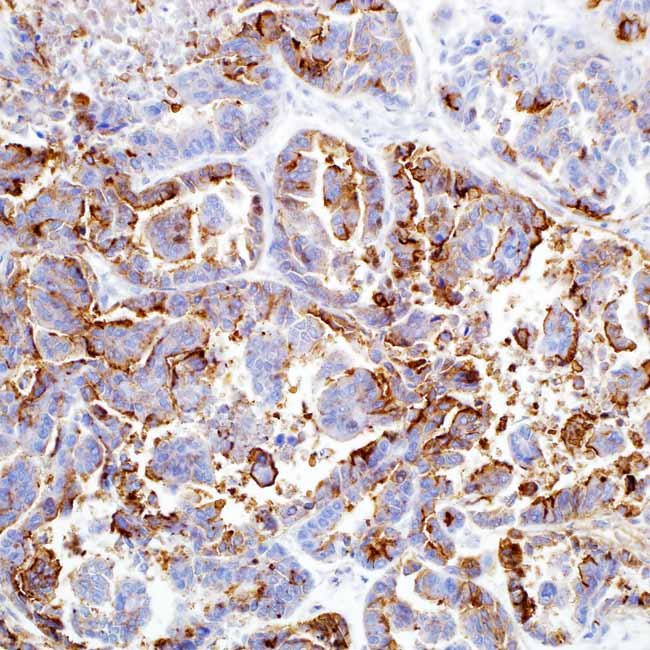
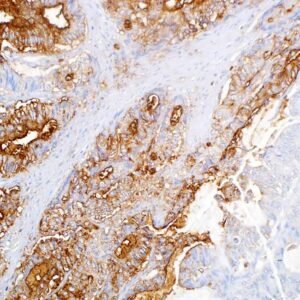
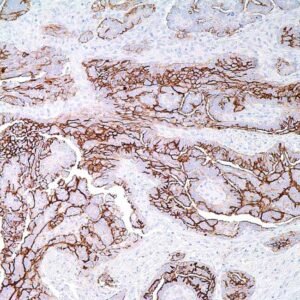
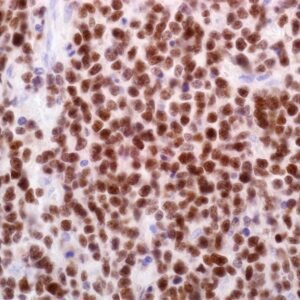
Malignant cells proliferate within the mesothelium, theprotective lining that surrounds the majority of the body’sinternal organs, in mesothelioma, a type of cancer broughton by prior asbestos exposure. Although it can also arise inthe pericardium or peritoneum, mesothelioma is mostfrequently seen in the pleura. When asbestos fibres lodgein the lung’s parenchyma, they can pass through thevisceral pleura and travel to the pleural surface, where theycan cause malignant mesothelial plaques. Mesotheliomafrequently manifests as shortness of breath, coughing, andchest pain from a buildup of fluid in the pleural area,though these symptoms may not show up for 20 to 50 yearsfollowing an initial asbestos exposure. Conventionalmedications are ineffective in treating mesothelioma sinceit is a very aggressive tumour that is typically fatal, leavingpatients with a median survival duration of 6–12 monthsfrom presentation. The function and behaviour of thistissue can be studied with the help of mesotheliomamarkers.This antibody interacts with an unidentified antigen onmesothelioma cell microvilli. Because normal mesothelialcells and epithelial mesotheliomas have a lot of lungmicrovilli on their surface, it stains both of these cells in athick membrane pattern.