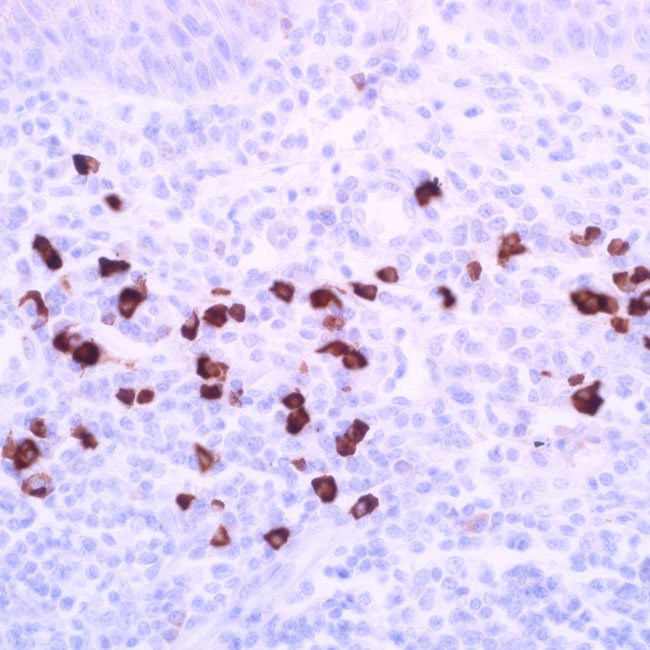
Sclerosing fibrosis, extensive lymphoplasmacyticinfiltration, and a high level of serum IgG4 antibody-positive plasma cells are the hallmarks of IgG4-relatedsclerosing illness, a systemic disease entity. It’s critical toidentify this condition and distinguish it from similarconditions like lymphoma because these patients typicallyreact well to steroid therapy. The pancreas, bile duct,gallbladder, lacrimal gland, salivary gland,retroperitoneum, kidney, lung, breast, thyroid, andprostate all exhibit clinical symptoms. In the case of IgG4antibody-related sclerosing illness, immunohistochemicaltests show significantly higher IgG4/IgG ratios (usually 30%)in addition to significantly more IgG4-positive plasma cellsin affected tissues.