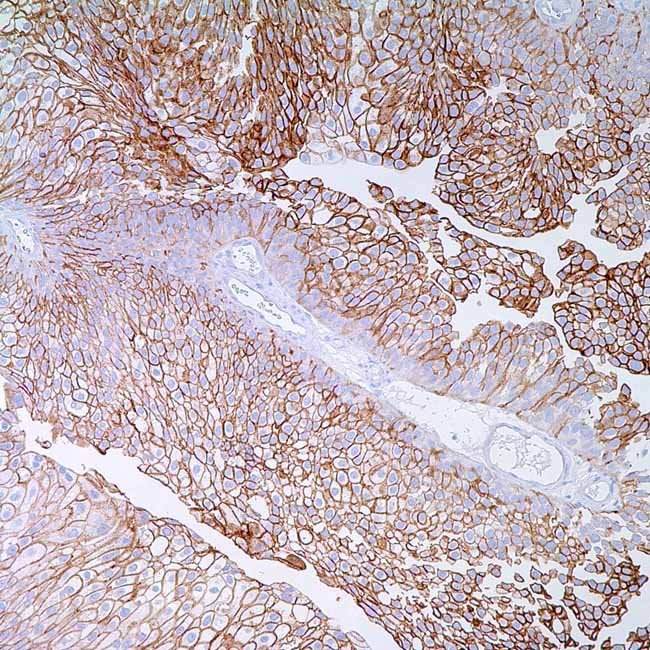
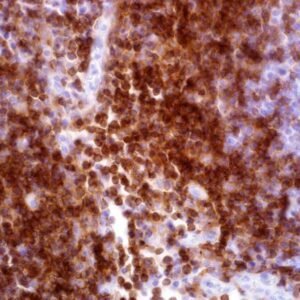
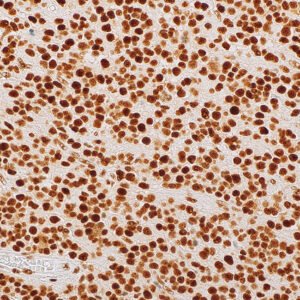
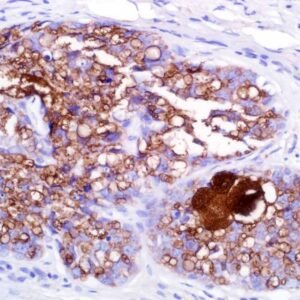
Thrombomodulin is a glycoprotein that spans cell membranes and consists of 575 amino acids (with a molecular weight of 75 kD), known for its natural ability to prevent blood clotting. Typically, it is produced by a limited range of cells, including endothelial and mesothelial cells. Moreover, it is also found in the synovial lining and syncytiotrophoblasts within the human placenta. Anti-thrombomodulin has shown positive results in non-cancerous vascular tumors like hemangiomas, as well as in many cancerous ones, including Kaposi’s sarcoma and epitheloid hemangioendothelioma. Consequently, anti-thrombomodulin is an effective indicator for lymphatic endothelial cells and associated tumors. Recently, there has been growing interest in utilizing anti-thrombomodulin as an immunohistochemical marker for mesothelial cells and malignant mesotheliomas. Additionally, anti-thrombomodulin is also immunoexpressed in an array of other tumors, encompassing urothelial cell carcinomas.