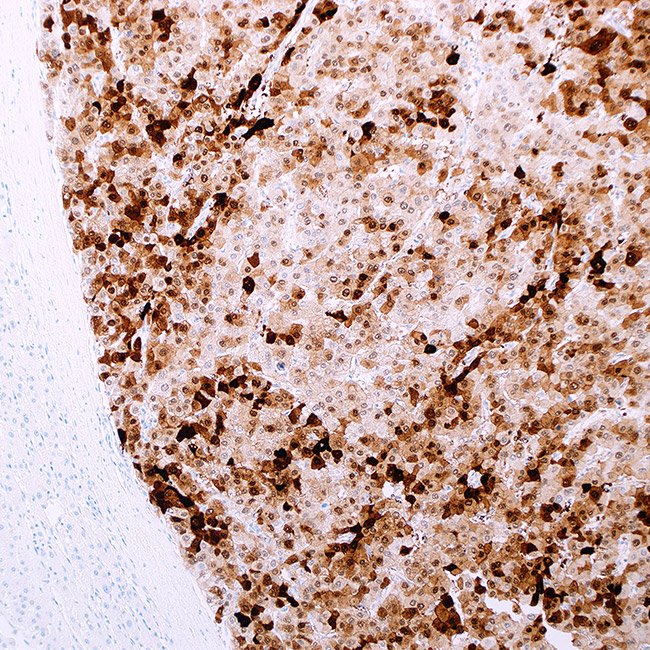
The Heat Shock Protein 70 group of well-preserved chaperone proteins rises in expression when faced with stressors like temperature changes, lack of oxygen, oxidative stress, and alterations in pH. This aids in the survival of cells by fixing misfolded proteins and stopping the formation of protein clumps, among other roles. Similarly, cancer cells may exploit this process to gain a survival benefit, as shown by the increased levels of Heat Shock Protein 70 in hepatocellular carcinoma.